Chinese New Year has never been merely a date on the calendar. It is a return.
A return to family.
To the roundness of the table.
To the comfort of rituals that outlive us.
Across generations, the Lunar New Year has functioned as China’s most enduring act of renewal. It’s a rhythm that predates emperors, dynasties, and trade routes. A movement that has guided harvests, feasts, migrations, and rituals for millennia. The year may gallop forward, but on New Year’s Eve, it pauses. Chairs are pulled closer. Dishes arrive in abundance. Glasses rise.
The History Behind Chinese New Year
Historically known as the Spring Festival, Chinese New Year begins with the new moon between late January and mid-February, marking a cosmic reset long observed across East Asia. Its origins are woven into myth: villagers once feared a beast called ‘Nian’, a creature driven back by the crack of firecrackers, the glare of lanterns, and the living red of celebratory garments. The echoes of this legend remain — red decorations, loud laughter, and symbolic feasts are still the language with which families shake off bad luck and welcome prosperity.
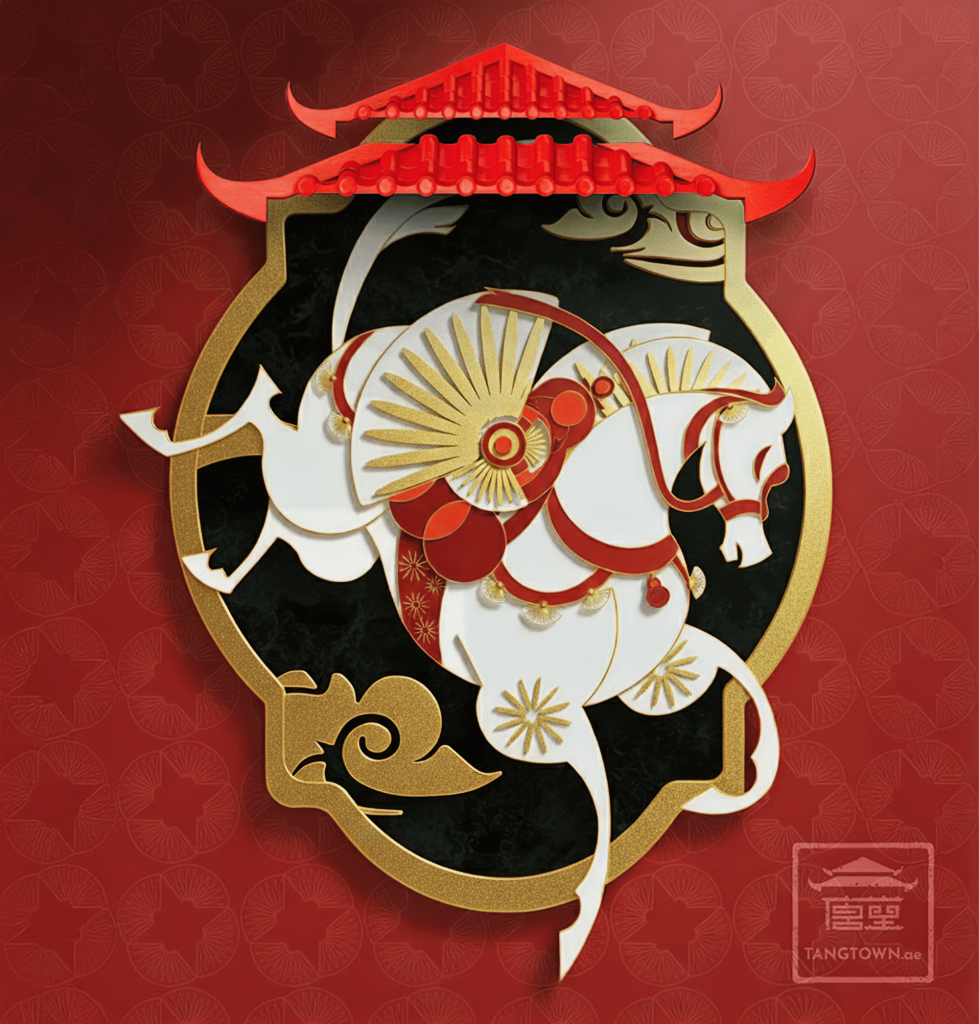
Legend has it that the Horse arrived seventh in the Jade Emperor’s great zodiac race. Not because it lacked strength, but because it paused to help others cross the river. That duality defines 2026, the Horse year. Power softened by generosity. In Chinese culture, a ‘fat horse’ is a blessing. It signifies momentum, prosperity, abundance, and a life well-fed, emotionally and materially. A thriving year, in other words, where tables are full and glasses never sit empty for long.
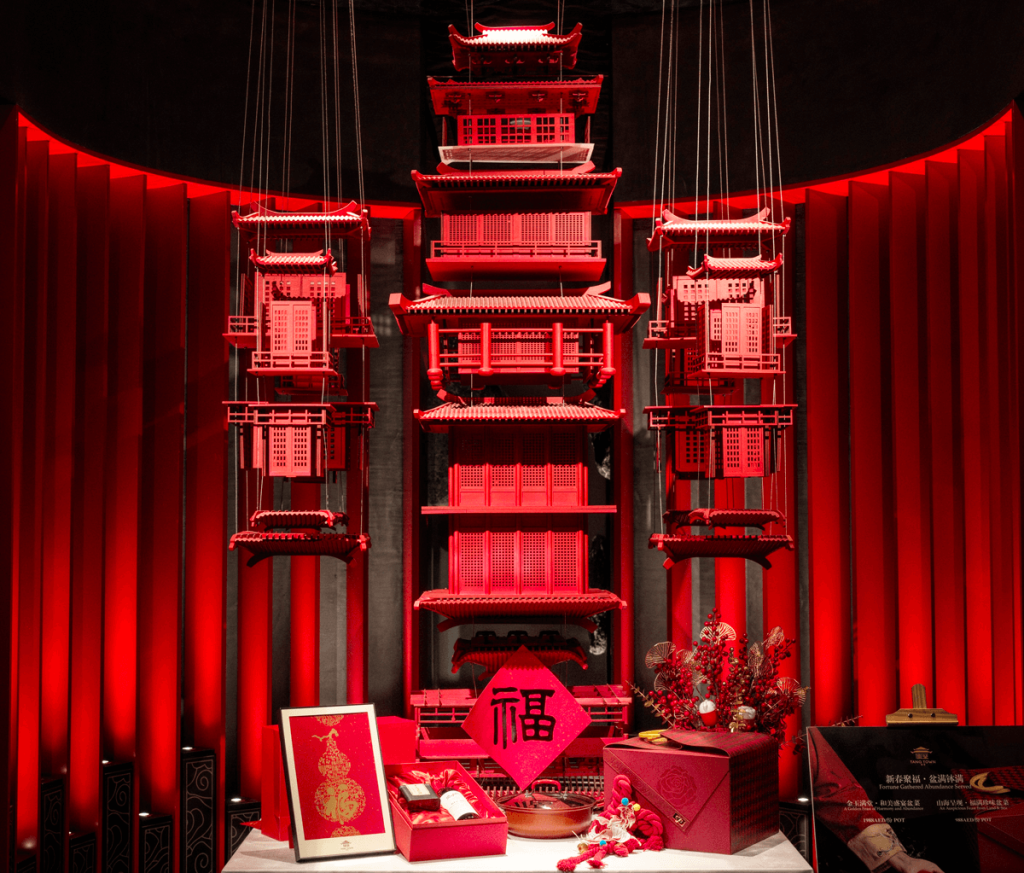
Chinese New Year celebrations reflect this belief in fullness. Homes are cleansed to sweep away old misfortunes, red lanterns bloom across streets like punctuation marks of joy, and doors are dressed with calligraphy promising luck, wealth, and longevity. Families gather over multi-course reunion dinners where every dish carries intention.
And then, there’s the Tang Dynasty (618 to 907 CE), that golden chapter of Chinese history where art, trade, poetry, and cuisine flourished with unapologetic grandeur. The horse was not merely an animal during the Tang era; it was an emblem of power, diplomacy, and cosmopolitan confidence. Silk Road caravans thundered westward on horseback, carrying spices, tea, ideas, and culture across continents. Court paintings immortalised robust, well-fed horses as symbols of prosperity and imperial might. Inspired by a dynasty that celebrated abundance and openness, Tang Town channels that same spirit into its Chinese fine dining experience.
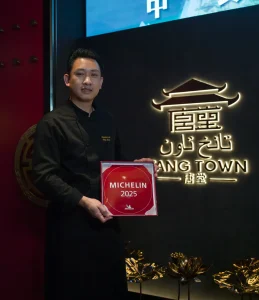
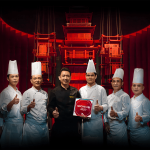
Every festive season, Tang Town , our high end restaurant presents a specially curated Chinese New Year menu, bringing traditional reunion dishes to contemporary palettes. Tang Town is a truly authentic Dubai Mall Chinese restaurant, recognised in the Michelin Guide 2025. It has since become one of the top restaurants in Dubai, frequently regarded among the best Asian restaurants in Dubai for its interpretation of traditional Chinese cuisine.
Beyond Poon Choi: Explore Signature Dishes like Peking Duck, Dim Sums, Dumplings and more!
Peking Duck in Dubai takes on deeper meaning during reunion season. Its crisp skin and layered preparation signify abundance and craftsmanship. Dim Sums becomes a language of sharing. Delicately handcrafted, it’s the perfect emblem of unity and togetherness. Fish, often served whole, is essential to every New Year feast, since it represents surplus and continuity. Dumplings, shaped like ancient gold ingots, carry wishes for prosperity and wealth.
Served communally in one generous vessel, Tang Town’s Poon Choi gathers sea and land, patience and precision, into a single shared centrepiece. It is abundance assembled layer by layer, prosperity built to be opened, savoured, and shared. Lotus root braised in fermented bean sauce, stewed tofu skin in superior broth, and shiitake mushrooms glazed in oyster sauce form a foundation that slowly absorbs the richness above. Braised fish maw and sea cucumber in abalone sauce lend depth and silkiness, joined by handmade Teochew-style squid balls and beef balls that carry quiet craftsmanship. Poached sunflower chicken and fresh sea prawns add balance, while the crown rises with either braised 5-head fresh abalone or the commanding 1-head New Zealand abalone, both steeped in abalone sauce, and in its most celebratory expression, Boston lobster in superior broth.
And of course, there’s Tangyuan. Soft, glutinous rice balls traditionally enjoyed during festive gatherings, Tangyuan’s round shape mirrors the round table and the idea of family coming full circle. Whether filled with black sesame, peanut, or red bean, their sweetness closes the meal on a note of harmony.
In a city with as much cultural confluence as Dubai, Lunar New Year belongs not only to Chinese families, but to anyone seeking ethnic authenticity, celebration, and shared abundance. For those who value culture as much as the cuisine, the Year of the Horse presents an opportunity to dine within a story that extends far beyond the plate. And at Tang Town, there’s always a table that’s yours to celebrate!
Location, Hours, Reservations
Dubai Mall Fountain Views, Mezzanine Floor, Downtown, Dubai
• Phone: 04 431 2888
• WhatsApp: +971 54 279 7287
• Free valet available for diners